Pest Control: Proven Solutions to Safeguard Your Home and Firm
Overview to Pest Control
Pest Control pertains to the administration or organization of species identified as pests – creatures that negatively modify human endeavors or surroundings. In New Jersey, a place where different biological communities meet residential and city growth, productive Pest Control is not just a convenience but a requirement for keeping sanitary dwelling and working conditions. From the extensive localities of Monmouth County to the connected residential areas of Matawan, pest incursions can plague each person, no matter of how pristine or carefully tended their property may be.
The importance of adopting successful Pest Control procedures cannot be emphasized enough. For homeowners, pests can destroy framework soundness, spoil food resources, and establish noteworthy health perils. Establishments encounter these identical challenges, with the further concern of prestige impairment and potential forfeiture of clients if invasions are identified. Usual pests in New Jersey include rats and mice like rats and mice, assorted arthropods such as ants, cockroaches, and bed bugs, and the specifically detrimental termites that can stealthily threaten a building's groundwork.
The Purpose Pest Control Is Essential
Health Perils of Pest Control Methods
Several pests contain and convey ailments that can impact humans and pets. Rats and mice are known vectors of hantavirus, salmonella, and leptospirosis. Cockroaches can trigger asthma occurrences and hypersensitive reactions, specifically in youngsters. Ticks, numerous in New Jersey's sylvan areas, are recognized for distributing Lyme disease, while mosquitoes can carry West Nile virus and Eastern Equine Encephalitis. Trained Pest Control aids alleviate these health threats by exterminating the source of these possible disease vectors.
Structure Damage in Pest Control
The framework harm generated by pests can be substantial and exorbitant. Termites exclusively bring about over $5 billion in real estate devastation each year all over the United States, with New Jersey homes being remarkably susceptible due to the state's weather. Vermin can bite through electrical cords, creating fire hazards, while their perpetual gnawing can injure padding, pipes, and timber basic parts. Even apparently inoffensive ants can jeopardize lumber structures if allowed unaddressed, especially carpenter ants which are prevalent in Monmouth County.
Fiscal Implications of Pest Control Services
Overlooking pest issues can result in substantial budgetary repercussions. What may start as a minimal problem demanding uncomplicated management can fast intensify into a substantial difficulty necessitating broad treatment. For organizations, particularly those in the food business or leisure fields, pest issues can create flunked health assessments, provisional shutdowns, and sustained destruction to standing and patron trust. Putting money in consistent Pest Control is not solely about immediate comfort—it's a continuing financial defense.
Pest Control: Frequent Family and Business Pests
Rodents (Rats and Mice)
When it comes to recognizing rodent infestations in your New Jersey home, vigilance is critical. You possibly observe dung near food provisions, in containers, or underneath sinks. Nibble marks on food containers, timber, and power wiring are telltale evidence of their attendance. At nighttime, you may detect grating noises in walls, roofs, or under floors as these night-time critters turn energetic. If you detect shelters built from ripped documents, material, or dehumidified plant matter, that's a plain proof rodents have made themselves settled. Greasy rub marks across baseboards and barriers become visible as rodents adopt the equivalent paths regularly, while your pets may present unusual deportment such as woofing or clawing at areas underneath appliances or possessions where rodents seek refuge.
Vermin in New Jersey homes and businesses constitute multiple menaces past only disturbance. They can contaminate food and creation areas with infectious agents existing in their urine and feces. Their unending desire to chew can injure belongings, especially cables, which generates fire perils. In Matawan and nearby places, the Norway rat and house mouse are notably complicated, thriving in both urban and peripheral regions. Potent Pest Control steps are fundamental to deal with these detrimental intruders.
Arthropods (Ants, Cockroaches, Bed Bugs)
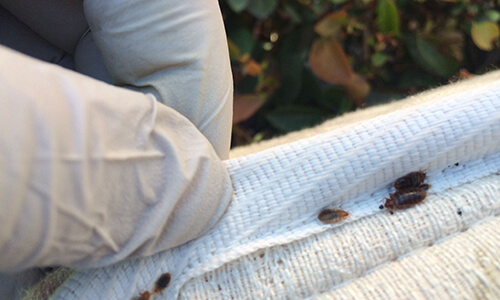
Insect problems exhibit themselves in assorted methods depending on the species. Ant troubles develop into apparent when you observe discernible ant routes pointing to food supplies, or when you locate little accumulations of dirt or wood particles made by carpenter ants. Cockroach invasions often disclose themselves through dark feces similar to coffee grounds or black pepper, a singular fusty aroma that saturates overrun spots, and the presence of egg cases in hidden corners. Bed bug problems show up as rust-colored dots on mattresses and furniture, shed skins near lounging spots, small blood blemishes on sheets, and scratchy red welts on skin commonly arranged in a series or cluster.
Creepy crawlies symbolize the most assorted class of pests in New Jersey. Cockroaches can set off asthma and hypersensitivities while circulating countless germs. Bed bugs, while not disease spreaders, generate notable soreness, sleep disturbance, and sentimental torment. Special ant types, like carpenter ants typical in Monmouth County's woodland spots, can produce skeletal injury analogous to termites through time. Qualified Pest Control companies can spot precise insect classes and implement focused approach tactics that tackle the particular habits and weaknesses of each pest.
Termites
Recognizing termite existence early requires being aware of the nuanced signs of their occurrence. You possibly observe shed wings near casements and entries after swarmers have discovered a mate and established a new nest. Mud tubes on external walls, wood beams, or in crawl spaces serve as safeguarded highways for these destructive bugs. Wood that reverberates unfilled when rapped signals termites have been consuming from within. Doors and apertures that quickly adhere may demonstrate twisting from termite damage, while cracked or swelling paint looking like water impairment often covers termite activity beneath. Discovering frass—termite excrement reminiscent of small wood-colored specks—furnishes another confirmation of their objectionable presence.
Termites constitute perhaps the most noteworthy framework threat between all prevalent pests. In New Jersey, the Eastern subterranean termite is frequent and specifically harmful. These critters can stay hidden for seasons while causing significant destruction to wooden architectural parts. Homes in Matawan and all through Monmouth County, notably older dwellings, are exposed to termite outbreaks. The average cost of term pest control.
Pest Control Security Factors
Secure Utilization of Pesticides and Chemicals in Pest Control
As chemicals become required in your pest control method, emphasizing protection requires focus to numerous critical approaches that protect people, companions, and the surroundings. Continuously study and comply with label instructions accurately, as these legal instructions demonstrate comprehensive testing and official review intended to limit risks. Employ the least successful quantity of pesticide to accomplish control while decreasing unnecessary substance addition into your living environment. Administer products only in areas stated on the product instructions, eliminating off-label treatments that may create surprising risks or diminish performance. Use proper protective apparatus as specified by chemical companies to avoid individual interaction during use. Keep chemicals in their factory bottles with directions preserved to preserve entry to safety information and stop misidentification. Keep comprehensive documentation of all applications, recording chemicals employed, dilution rates, locations applied to, and schedules of application for subsequent use. Ensure appropriate drying and ventilation before returning to treated locations, specifically significant in New Jersey's climate where dampness can affect curing times. Consider less-toxic alternatives when efficient, as developments in pest elimination have developed many safer options that retain effectiveness while lowering potential dangers.
Defending Pets and Kids During Pest Control Services
Extra precautions turn vital when executing pest control procedures in dwellings with vulnerable household members. Move pets while performing application and until surfaces are set to prevent close interaction with damp products or fumes that could produce adverse effects. Hide or move pet meals, water dishes, and toys before application to eliminate exposure that could lead to accidental eating. Place children's items apart from treatment zones, especially items that young children might put in their mouths. Wash and disinfect food preparation surfaces after service, even if they weren't directly treated, to eliminate any traces that might have settled during application. Keep young ones distant from serviced locations for the advised time, lengthening this time for mobile infants who have more direct contact with ground and low surfaces. Consider animal-friendly and non-toxic to children substance choices when accessible, as many contemporary formulations target certain pest physiology while limiting mammalian poison. Most significantly, advise expert technicians about the occurrence of companions, young ones, or pregnant household occupants before they formulate treatment strategies, allowing them to change techniques and substance options accordingly.
Regulatory Guidelines and Adherence with Pest Control
Pest control in New Jersey functions within a official system intended to shield public wellness and the environment while ensuring efficient pest elimination. The New Jersey Department of Environmental Protection supervises pest control procedures, necessitating expert pest management companies to satisfy particular standards. Organizations must utilize authorized technicians who have cleared official assessments proving competency in pest biology, application techniques, and protection protocols. These companies must maintain appropriate coverage coverage defending both their applicators and their customers from potential harm or injuries associated with pest elimination activities. Strict requirements oversee product storage, transportation, and disposal to eliminate natural pollution and illegal entry. Experts must offer Safety Data Sheets upon inquiry, recording the characteristics and risks of substances used in services. Notification requirements relate for certain treatments, specifically in multiple-unit residences or industrial spaces with many residents. Detailed application logs must be upheld, establishing an audit path of pest management activities. Additionally, only substances licensed for employment in New Jersey may be officially employed, confirming that local ecological situations and environments have been considered in the authorization system. For commercial establishments in Matawan and throughout Monmouth County, extra rules may apply based on the business, especially for dining industry, healthcare, and child care facilities where pest management connects with further general safety concerns.
Natural Pest Control Solutions
Integrated Pest Control (IPM) System
Comprehensive Pest Management embodies the top level in modern pest control, concentrating on extended protection through a mix of strategies that minimize environmental effect while increasing efficiency. The IPM procedure begins with thorough evaluation and tracking to determine pest infestation precisely, setting up starting facts about species present and quantity counts. This produces exact classification of pest varieties, ensuring treatment work aim at individual behaviors and susceptibilities rather than implementing general applications. Specialists determine limit amounts that necessitate intervention, understanding that the basic occurrence of a limited pests does not always demand intervention if numbers stay less than harmful thresholds. When control turns needed, IPM employs multiple control methods in unity, usually initiating with least-toxic strategies and escalating only when required. Within the process, experts review performance and change methods as needed, creating a adaptable system flexible to shifting conditions. Most significantly, IPM emphasizes avoidance over treatment, dealing with construction and environmental aspects that maintain pest populations rather than simply eradicating current creatures. Many pest control organizations in New Jersey supply IPM-based programs that align with the region's effort toward safer pest treatment methods, especially in vulnerable settings like learning institutions, health facilities, and meal preparation operations.
Natural Control Approaches
Effective pest control often combines alternative methods that can fix or decrease pest troubles without adding products into the surroundings. Physical barriers such as screens, entrance strips, and sealing prevent pest entry completely, handling the issue at its origin. Physical controls like traps and exclusion devices take away existing pests while preventing fresh infestations. Biological approaches containing beneficial insects and bacteria add natural enemies that aim at individual organisms while maintaining helpful organisms unharmed. Management practices modify the conditions to prevent pests, such as altering irrigation timing to reduce humidity that draws certain insects. Living space modification minimizes harborage and food supplies, causing properties less favorable to troublesome guests. For some insects like bed bugs, thermal applications supply exceptionally efficient control without synthetic remains by increasing heat over the thermal death level for all life stages of the designated pest. Comparably, refrigeration procedures for preserved item pests like grain bugs or food storage insects can remove problems in food products without chemical exposure. These techniques prove particularly important in New Jersey's mixed environments, where closeness to marine bodies, conserved ecological regions, and heavy urban zones forms multiple situations where toxic reduction turns beneficial or required.
Eco-Conscious Pest Control Management Approaches
The pest control field persists to evolve toward increasingly eco-conscious approaches that maintain success while lowering ecological footprint. Natural chemicals derived from natural compounds like pyrethrum, neem, and natural extracts supply targeted elimination with limited longevity in the environment. Microbial treatments containing microorganisms, molds, or viruses that focus on specific pest creatures supply exactness that standard general pesticides can't achieve. Growth regulators that stop pest mating by interfering with life cycle processes offer extended quantity suppression without direct dangerous influences on mature insects. Scent devices that observe or interrupt pest mating support identify when treatment becomes required and can block procreation in some kinds. The field progressively embraces reduced-risk products with reduced natural impact, shifting away from older chemistries with greater influences on secondary organisms. Accurate application systems that lower complete substance use administer services specifically where necessary rather than distributing materials over wide regions. Green approval initiatives for pest management firms set requirements for naturally better treatment and supply customers with obvious marking of businesses committed to environmentally-friendly approaches. In environmentally sensitive areas of New Jersey, containing portions of Monmouth County with distance to liquid sources, these eco-conscious strategies are particularly important for protecting both personal health and ecological ecosystems while continue to offering successful pest management.
Finding a Local Pest Control Service Provider in New Jersey
Capitol Exterminating System
272 NJ-34
Matawan, NJ 07747
(732) 441-1900
Often Posed Questions (FAQs) about Pest Control
How regularly should pest control be conducted?
For the majority of New Jersey homes, every three months pest control supplies sufficient safeguarding against seasonal pest challenges. This schedule coordinates with the local separate seasons, each producing separate pest challenges that call for preventive focus. Early season treatments typically handle appearing ant groups and surviving creatures becoming active. Summer services focus on mosquitoes, parasites, and multiple aerial creatures that thrive in heated weather. Autumn treatments prepare residences for small mammals and surviving pests looking for protection as climate fall. Winter applications maintain security against inside creatures while dealing with rodent issues at its highest. Nonetheless, this rate may grow for structures with certain risk elements or ongoing issues that demand increased rigorous management. Residences adjacent to tree-covered locations in Monmouth County may advantage from additional parasite and mosquito procedures within top seasons. Homes with history of individual pest concerns commonly require directed additional procedures above the normal every three months schedule. Commercial establishments, especially dining preparation establishments in locations like Matawan, frequently call for frequent care to sustain agreement with safety rules and stop issues that could damage standing and commercial processes.
Is professional pest control protected for companions?
When performed correctly, professional pest control can be protected for companions through thoughtful product selection and usage techniques that reduce exposure. Today's targeted usage techniques and lower-risk substances have substantially enhanced wellness characteristics compared to traditional pest treatment methods. Contemporary procedures frequently apply products particularly engineered to have minimal harm to creatures while staying efficient against target creatures with alternative biologies. Specialist applicators obtain instruction in application methods that put substances in spots companions can't reach, such as interior spaces, openings and openings, or behind equipment. Though, companions should be relocated during application and until all applications have dried completely, obeying certain rest durations proposed more info by the product maker and technician. Aquarium aquariums should be shielded and air pumps stopped while performing service to eliminate exposure from floating particles. Pet objects containing beds, playthings, and eating dishes should be removed or protected throughout service. Review any questions with your pest control company, who can advise proper rest times considering the specific applications employed and adapt strategies for homes with particularly sensitive pets like birds or cold-blooded animals that may have different physical weaknesses than cats and canines.
What are the evidence of a serious pest problem?
Apart from observable organisms directly, multiple alert signals reveal probably major issues demanding urgent pest control treatment. Strange smells regularly emerge with significant problems – damp, greasy odors may suggest mice and rats, while pleasant, distinctive aromas at times follow German roach groups. Unknown structural harm like drooping boards, rising surface, or crumbling wood may show wood-destroying insect infestation or carpenter ant problems harming construction pieces. Odd disturbances within structures or lofts, specifically at nighttime, often show rodent activity as these nocturnal animals turn mobile in concealed locations. Excessive powder looking like small debris near lumber elements may truly be waste or droppings from timber-damaging creatures. Some homes experience unexplained physical problems like lung difficulties or irritation that go away when gone from house, possibly indicating creature invasions affecting interior air condition. In New Jersey properties, specific focus should be directed to underground and lower zones where water problems can sustain pest groups, notably in aged houses throughout Monmouth County where base fissures and failing cement supply various access points. Locating several dead bugs of the matching type shows a larger population near, while oil marks around floor edges suggest set mouse and rat trails with frequent traffic.
Can I prevent pests without pest control pesticides?
Absolutely, many pests can be eliminated through suitable cleaning, exclusion, and habitat alteration without applying pesticide applications. The cornerstone of chemical-free pest control commences with thorough exclusion efforts – sealing gaps, holes, and openings that let insects to penetrate properties in the beginning position. Placing door seals, restoring deteriorated screens, and sealing mechanical openings removes common invasion places. Taking away feeding options through appropriate food keeping in sealed containers, quick clearing of messes and pieces, and consistent trash elimination considerably minimizes magnets that attract creatures inside. Lowering humidity by repairing leaking fixtures, enhancing ventilation in wet areas, and tackling water flow problems stops the fluid sources many pests call for. Sustaining a buffer space around homes by reducing greenery, clearing plant litter, and storing fuel raised and distant from homes minimizes harborage locations and entry spots. Using tangible obstacles like metal screen or steel stuffing to stop more significant openings provides long-term prevention for small mammals and rats. Frequent care that involves removal cracks and openings gets rid of creature larvae and food particles that maintain pest breeding. For present issues, nonetheless, some type of management material may be needed to fix developed concerns, though numerous minimal-impact options are obtainable containing diatomaceous dust, boric compound, and insecticidal soaps that offer minimized hazard versus traditional pesticides.
What should I prepare for throughout professional pest control application?
A specialist pest control procedure typically begins with a comprehensive examination to determine pest kinds, penetration locations, and encouraging conditions leading to the issue. The expert should use time reviewing both indoor and outdoor spaces, devoting particular focus to kitchens, wash areas, cellars, and boundary bases where pest movement frequently concentrates. Upon completing this examination, the professional should explain their results in thoroughness and suggest a service strategy customized to your particular circumstances, reviewing both the target pests and the techniques suggested for managing them. You may receive readiness guidelines before application, possibly involving shifting objects, clearing certain spaces, or securing pets. In the course of the application, the expert will employ correct chemicals to specific areas considering the pest varieties found, focusing on fissures, openings, and pest refuge locations rather than broadcasting procedures around complete regions. They may place monitoring equipment like bug catches or bait systems that aid monitor advancement and deliver ongoing defense. After ending applications, a expert should explain any after-service guidelines such as air circulation standards, re-entry intervals, or surfaces to clean. Before exiting, they should set up return visits if necessary for specifically challenging insects like bed bugs or German insects that generally call for various treatments for full destruction. Within this method, experts should encourage queries and offer understandable information about the products and approaches employed, displaying their training and commitment to both efficiency and safety.
Successful pest control is an crucial part of maintaining clean, safe dwelling and commercial settings in New Jersey. From the moist summers that produce mosquitos and ticks to the chilly seasons when rodents pursue refuge within, pest problems stay a continuous issue for homeowners and businesses in Monmouth County and Matawan. By knowing typical insects, employing precautionary actions, and knowing when to look for expert assistance, home holders can shield their assets and the wellness of inhabitants.
Adopting a preventive method to pest control is always additional effective and budget-friendly than handling to established issues. Routine inspections, proper maintenance, and tackling tiny problems before they worsen can stop the significant expenses and interruptions associated with major pest issues. When professional intervention becomes required, selecting a reliable, authorized pest control provider who utilizes unified pest treatment strategies provides successful achievements with reduced surrounding influence.